
Headcount isn’t a flex. Revenue per headcount is.
If you spend enough time around founders, you will inevitably hear someone brag about their team size. They will proudly announce they just crossed fifty employees. Or a hundred. They treat headcount like a scoreboard.
It is a trap. The bigger the number, the more successful they think they look to the outside world.
But critics don’t know sh*t.
That playbook is cooked. Building a massive organization for the sake of looking big is a surefire way to kill your margins and slow your growth.
The best DTC teams run like a special forces unit, not an army.
Big armies look impressive on paper. You have thousands of boots on the ground, all marching in formation. The sheer scale of it commands attention. But what happens when the terrain changes? What happens when a new threat emerges? Big armies take massive effort to pivot. They require heavy supply chains and endless layers of communication just to change direction.
But when it is time to move fast, strike smart, and win with less? Special forces always outperform.
The same goes for ecommerce.
The Special Forces Mentality
In the military, a massive army is built for scale. Special forces are built for impact.
Founders often get this wrong. They scale their headcount before they scale their actual efficiency. They add managers to manage the managers. Before you know it, a simple decision takes three weeks and five meetings.
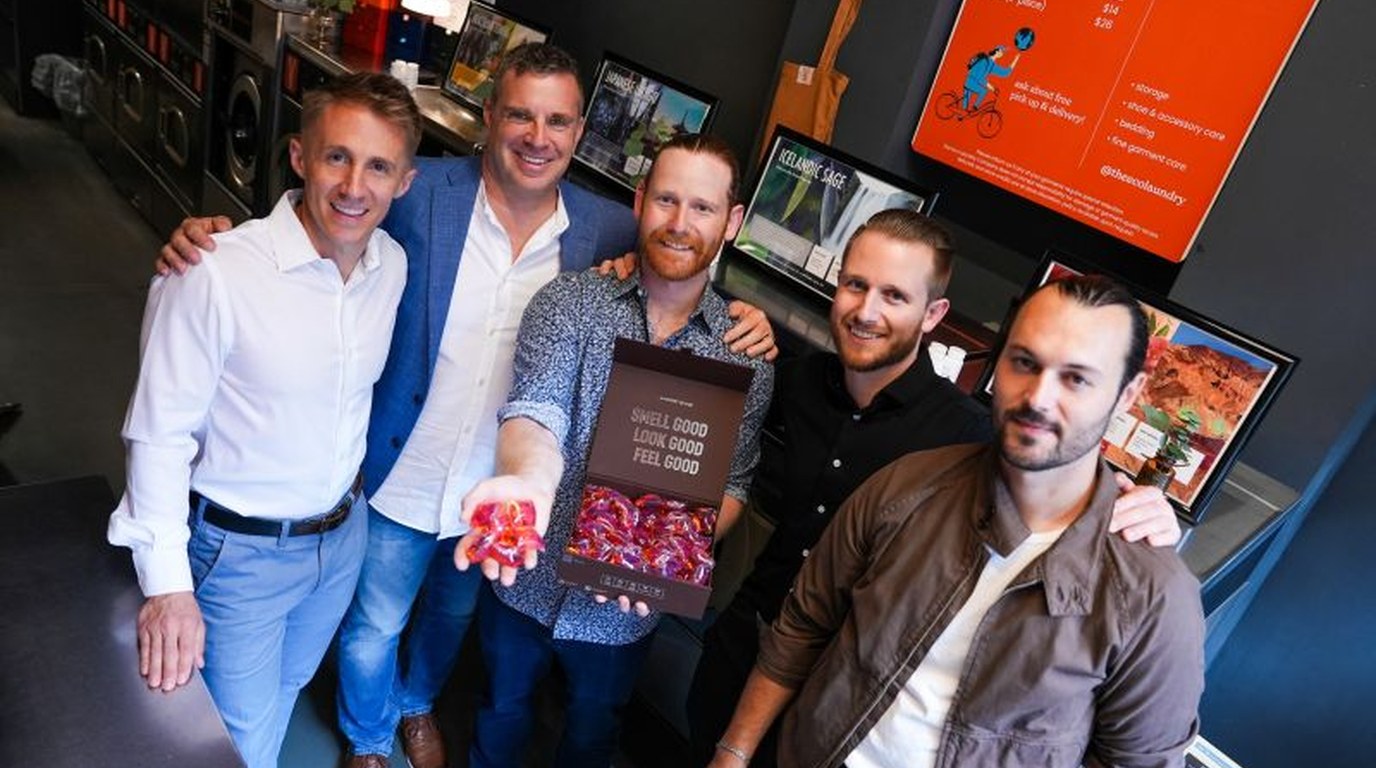
At Laundry Sauce, we keep our team lean on purpose.
We do not want to be a massive army. We want a small group of absolute killers who know exactly what they need to execute.
This gives us three distinct advantages.
First, we get more revenue per head. Second, we have more freedom to move. Third, we build more staying power for the long haul.
When the market shifts, a massive army takes a long time to turn around. A lean special forces unit pivots overnight.
How We Run Lean At Laundry Sauce
Keeping a team lean is not just about refusing to hire. You have to build a system that allows a small team to punch way above its weight class.
Here is exactly how we do it.
Decisions happen fast
When you have a lean team, you cut out the red tape. If we see an opportunity, we do not need a committee to approve it. We look at the data, we make a call, and we execute. Speed is a massive competitive advantage. If your competitors take a month to launch what you can launch in a week, you win.
Priorities are adjusted and shared weekly
We use the T5T framework. I picked this up from Jensen Huang at NVIDIA. Every single week, we adjust and share our priorities across the team. T5T stands for Top 5 Things. It sounds simple because it is. But simple scales.
Every week, we force clarity. What are the five most important things we need to accomplish? We share them. We align on them. We execute them. If a project does not fall into those top five priorities, it does not get our attention. Busy isn’t the same as better. Stay focused. This is how a small group of people can out-execute a team five times their size. There is zero wasted motion.
Every player has a clear mission
In a big army, soldiers can get lost in the crowd. In a special forces unit, every single operator has a specific role. They know their mission. If they fail, the mission fails. We treat our team the exact same way. You need a relentless focus on excellence. Everyone owns their outcomes.
Fewer cooks, more sauce
At Laundry Sauce, this is literal and figurative. Too many opinions water down a great idea. When you have too many people in the room, consensus becomes the goal. You end up compromising on your vision just to make sure everyone feels heard.
We do not have time for that. We want bold ideas executed flawlessly. We trust our people to make the call. If you want to build an 8-figure business, you have to stop watering down your execution with endless committee meetings.
The Real Flex
Let people brag about their massive teams. They are looking at the wrong metrics. They celebrate the input instead of the output.
I do not care how many people you have on payroll. I care about how much revenue each of those people is generating.
Revenue per headcount is the ultimate measure of a healthy business. It proves you have built efficient systems. It proves you have hired the right people. It proves your product actually resonates with the market.
Big teams burn cash. They consume resources at an alarming rate. They create bloat. They drain your runway and force you to raise more capital just to keep the lights on.
Small teams print it.
They stay scrappy. They stay hungry. They keep their eyes on the prize and they do not let internal politics distract them from getting sh*t done.
Take a hard look at your org chart this week. Are you building an army just to look impressive? Or are you building a special forces unit designed to win?
Keep your headcount lean. Maximize your revenue per head. Build a business that actually gives you freedom.
It is never too late to change the game so you actually enjoy playing it.
What systems are you using to keep your team lean? DM me, seriously.