
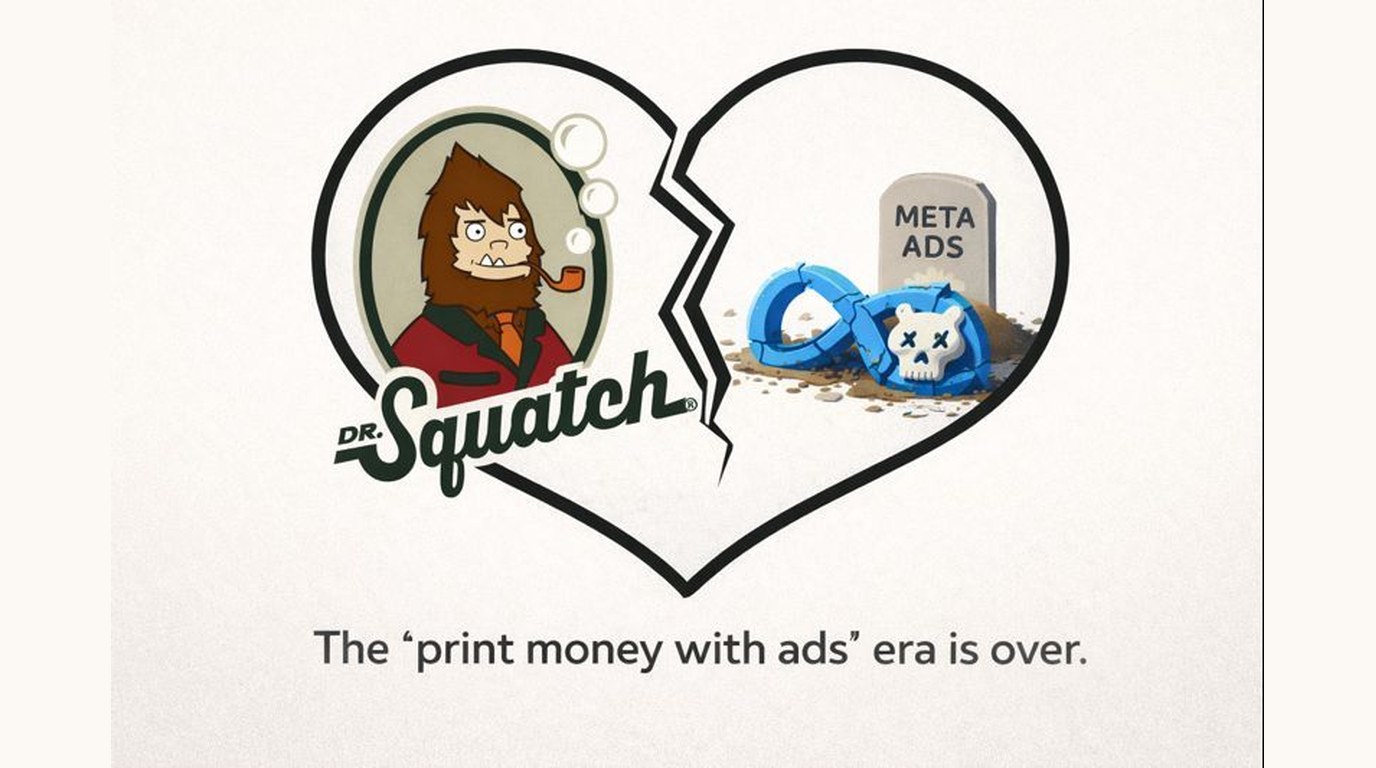
The “print money with ads” era is over.
A lot of brands are still treating paid social like it is 2019. You know the drill. Spin up some Meta ads. Find a winning creative. Scale the budgets. Print money.
That playbook is cooked.
In 2019, growing a direct to consumer brand felt like a cheat code. You could launch a basic Shopify store. You could film a decent video on your phone. You could turn on Facebook ads and essentially go on vacation. The algorithm was cheap. The targeting was incredibly precise.
Today, I talk to founders every week who are still trying to run that exact same play. They hire new agencies. They fire those agencies. They test a hundred variations of the same video. They change the hook. They change the text color. They burn through their cash reserves fighting for fractions of a percent in conversion.
If you are still running that exact system today, you are probably watching your margins vanish. Founders are burning cash and wondering why the old magic is gone.
What is actually working right now for us at Laundry Sauce is building a real influencer and affiliate engine. We are focusing heavily on TikTok. This is not about throwing free product at huge accounts and hoping for a spike in sales. This is about building a sustainable system.
Let me break down exactly why this shift is mandatory if you want to grow a modern CPG brand today.
📉 The Paid Media Treadmill is Broken
The fundamental economics of paid social have shifted permanently. Paid media is getting more expensive and less predictable every single quarter.
We all see the data. CPMs climb steadily while your margins shrink. You are bidding against massive conglomerates for the exact same eyeballs.
The unpredictability is what really kills you. Performance swings wildly from week to week. You think you have a winning campaign on Tuesday. By Friday it is completely dead. This makes inventory planning a total nightmare. You over order because you had a great month. Then the algorithm shifts. You are left with a warehouse full of product and a massive ad bill.
Then creative fatigue hits fast. You are forced to shoot new content constantly. You are fighting a relentless battle just to maintain your baseline return on ad spend. You are feeding a machine that demands more money for worse results.
📱 TikTok is Where Discovery Actually Happens
We realized we had to go where the consumer mindset was open to something new. TikTok fundamentally changed how people find new products.
People do not go there just to see what their friends are doing. They go to be entertained. They go to be informed. Most importantly, they go to be influenced. The platform is built entirely around discovery.
If your product naturally fits into compelling content, the algorithm does a massive amount of the heavy lifting for you. You do not have to buy your way into every single feed. Good content finds its audience. We stopped trying to force our way into feeds with polished corporate commercials. We started letting the creators do what they do best.
🤝 Micro-Influencers Outperform the Big Names
Everyone wants the massive celebrity endorsement. But big names chasing brand deals rarely drive the most profitable results. The real power is in micro-influencers.
Smaller creators with real trust and niche audiences drive much higher quality traffic. They drive real conversions. These creators actually engage with their followers. They answer comments. They have built authentic communities.
When a micro-influencer talks about a product they genuinely use, their audience listens. They act like trusted advisors rather than human billboards. At Laundry Sauce, we lean incredibly hard into this demographic.
🔁 Building a Distributed Sales Force
This is where the magic happens. You have to layer in accountability through an affiliate structure.
Paying massive flat fees for sponsored posts is a gamble. The brand takes all the risk. When you build an affiliate layer, creators get paid when product moves. Incentives are perfectly aligned. If they create a great video that drives sales, they make money. If it flops, you are not left holding the bag for a massive upfront fee.
You start building a distributed sales force instead of just renting attention from a platform. Renting attention is a bad long-term strategy. Owning a network of partners who win when you win changes the entire math of your business.
The Flywheel Effect at Laundry Sauce
I will be completely honest. Setting this up is significantly harder than launching ads. You cannot just click a few buttons in Ads Manager and walk away.
At Laundry Sauce, setting this up took relentless focus. We had to build out the infrastructure. We had to find the right software to track affiliate links. We had to create a seamless onboarding process for new creators. We had to build a system to ship out samples quickly.
It takes serious operational effort. You are dealing with hundreds of individuals instead of one centralized ad platform.
But once the flywheel starts spinning, it compounds. We have seen this firsthand. We have built a steady creator volume. We get authentic content rolling in daily. We see repeatable conversions. The signal is much healthier than most paid campaigns deliver.
If you are still treating Meta as the core growth engine for a modern CPG brand, it might be time to rethink where discovery actually lives now.
The 2019 playbook is dead. Stop trying to revive it. Put in the work to build a real engine today. Keep going.